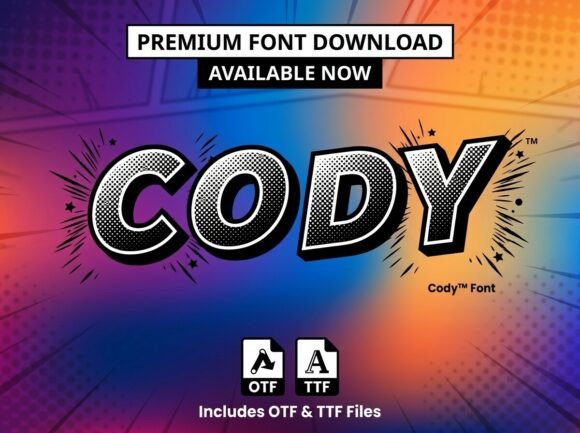
Cody: The Decorative Display Typeface for Bold Creators
In a world saturated with standard sans serifs and predictable serifs, finding a typeface that genuinely stops the scroll is a challenge. You need a font that doesn’t just convey a message but embodies a specific energy. This is where Cody enters the conversation. It isn’t a workhorse for body text; it is a specialized instrument designed to be the center of attention. If you are working on a project that demands a break from the ordinary, understanding how to leverage this premium font is essential for achieving a high-impact visual result.
Anatomy of a Showstopper
Cody is defined by its decorative display nature. It features unique artistic elements that give it a strong, visual personality. Unlike geometric or minimalist typefaces that fade into the background, Cody is designed to stand in the foreground. It strikes a delicate balance between artistic flair and professional polish. While it embraces creative expression, it avoids becoming messy or illegible, ensuring that your designs remain sophisticated.
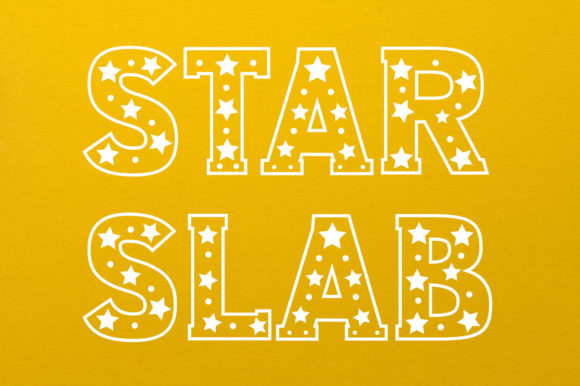
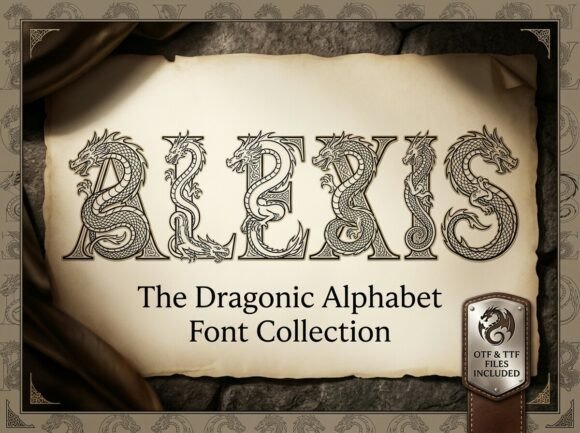
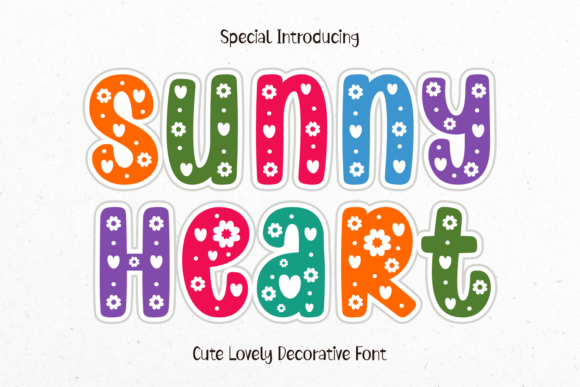
One of the most critical technical aspects to understand before incorporating Cody into your workflow is its character set. This is an ALL-CAPS (Uppercase Only) display typeface. It does not include lowercase letters. This is a deliberate design choice. In modern typography, uppercase-only fonts are frequently used for high-impact headlines, logos, and decorative initials where every letter needs to function as a standalone work of art. When you use Cody, you are treating typography as illustration.
Visual Versatility in the Right Context
Because of its strong personality, Cody is incredibly versatile within the specific realm of display work. It works beautifully for bold headlines that anchor a magazine layout or a blog post. It translates seamlessly into artistic logos for brands that want to convey confidence and creativity. Furthermore, it is an excellent choice for creative packaging. Imagine a coffee bag, a cosmetics box, or a craft beer label where the typography needs to scream "premium" and "handcrafted" without using a standard script font or handwritten font.
Strategic Applications: Where Cody Shines
As a designer or business owner, choosing a creative font is a strategic decision. Cody is not the right choice for your 10-page terms and conditions, but it is the perfect candidate for the projects that define your brand's visual identity.
For entrepreneurs and small business owners, Cody offers a path to distinctiveness in logo design. A logo sets the tone for the entire brand, and a typeface like Cody can establish a brand identity that feels established and confident. It signals that you value aesthetics and attention to detail.
In the realm of editorial design and publishing, Cody serves as a powerful tool for visual hierarchy. If you are a blogger, publisher, or content creator, you know the struggle of keeping readers engaged. Using Cody for chapter titles, pull quotes, or section headers can break up the monotony of long-form text. It draws the reader’s eye to key points, improving the flow of the reading experience.
Digital and Print Performance
The utility of this typeface extends across mediums. In web design and social media graphics, attention spans are short. You have milliseconds to capture interest. Cody’s unique artistic elements make it ideal for hero images, Instagram posts, and Pinterest pins where visual impact is the primary metric of success.
Conversely, in print, the font shines in packaging design and merchandise. Whether you are printing on textured cardstock or glossy vinyl, the strong visual personality of Cody holds up well. It is a commercial font that understands the needs of the market, providing the necessary file formats—OTF and TTF—to ensure compatibility whether you are using advanced layout software or standard design tools.
Mastering the Pairing and Readability
Using a decorative display font effectively requires restraint and strategy. Because Cody is so expressive, it rarely needs to do all the heavy lifting. The key to successful integration lies in font pairing.
The most effective way to use Cody is to contrast it with something quiet and legible. Pairing Cody with a clean sans serif font for body text is a classic, reliable strategy. The neutrality of the sans serif allows the personality of Cody to pop without causing visual fatigue. Alternatively, pairing it with a traditional serif font can create a sophisticated, editorial look that feels timeless yet modern.
Readability is another crucial factor. While Cody is designed for high-impact headlines, you must ensure that the specific words you are setting are legible at the intended size. Because it is an uppercase-only display face, kerning (the space between letters) becomes vital. You may need to manually adjust the tracking in your design software to ensure that the letters don’t crowd each other, maintaining a professional finish.
Practical Guidance for Implementation
Before you commit to Cody for a major project, take the time to evaluate the fit. Here is a practical checklist for integrating this display font into your design assets:
- Context Check: Ensure your project requires a headline or logo treatment. Do not attempt to write paragraphs with this font.
- Pairing Tests: Experiment with different body copy fonts. Try a geometric sans serif like Montserrat or a transitional serif like Georgia to see which best complements Cody’s style.
- File Selection: The purchase includes both OTF and TTF files. Use the OTF file for professional layout software like Adobe InDesign or Illustrator to access advanced typographic features. Use the TTF file for standard compatibility across all devices and basic software.
- Scale Matters: Decorative fonts often lose their charm if scaled down too small. Test Cody at large sizes to fully appreciate the unique artistic elements of the letterforms.
Ultimately, Cody is a tool for expression. It is designed for creators who want to break away from the ordinary and inject a dose of personality into their work. Whether you are designing a brand identity for a new startup, crafting a layout for a lifestyle magazine, or creating packaging for a boutique product, Cody provides the visual flair needed to make a lasting impression. By understanding its strengths as an uppercase display typeface and pairing it wisely, you can elevate your design projects from standard to standout.