Mayan: A Display Typeface for Unforgettable Visuals
In a crowded digital landscape, making a genuine impression is the first and most critical step. You need more than just words; you need an identity. This is where the Mayan typeface steps in. It’s not a font for setting long paragraphs of body copy. Instead, Mayan is a stunning, all-caps decorative display font, meticulously crafted to be the undeniable centerpiece of your design. It’s a tool for creators who want to break away from the ordinary and inject a powerful, artistic personality into their work.
The Visual Character of Mayan
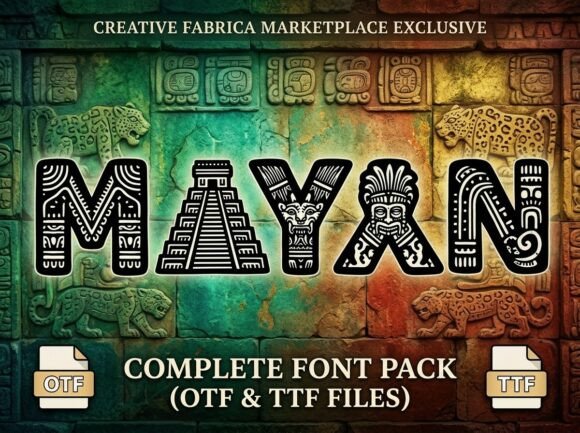
At its core, Mayan is defined by its strong visual personality. Each uppercase letter feels like a standalone piece of art, featuring unique artistic elements that give it a rich, textured appearance. The design language hints at ancient influences while remaining firmly grounded in modern typography. This isn't a simple serif font or a clean sans serif font; it's a premium font that blends historical weight with contemporary flair. The letterforms are bold and commanding, designed to hold their own without any supporting actors. This makes Mayan an exceptional creative font for projects where the title or headline does all the heavy lifting.
The overall appeal of Mayan lies in its versatility within the display category. It carries a polished, professional finish that prevents it from looking chaotic or over-designed. This balance is crucial. It allows the typeface to feel both artistic and reliable, making it suitable for a wide range of applications from a gritty streetwear brand to an elegant, high-end product label. It’s the kind of typeface that doesn’t just display a name; it tells a story.
Where Mayan Truly Shines: Practical Applications
Understanding where a display font like Mayan excels is key to using it effectively. Its high-impact nature makes it a go-to choice for specific design scenarios across various industries.
- Logo Design & Brand Identity: For brands aiming for a memorable mark, Mayan offers a fantastic starting point. A logotype set in this font instantly communicates strength, creativity, and a unique perspective. It’s particularly effective for brands in the lifestyle, adventure, artisanal, or entertainment sectors.
- Packaging Design: On a shelf, a product has seconds to capture attention. Using Mayan for the product name can make a package leap out. It works beautifully for specialty coffee, craft spirits, boutique cosmetics, or any product where the packaging is a key part of the brand experience.
- Editorial & Web Design: Think of a magazine cover, a hero section on a website, or the title of a blog post. Mayan creates powerful headlines that draw the reader in. Pairing it with a simple, legible body font (like a classic sans serif font) creates a stunning visual hierarchy that guides the eye effortlessly.
- Marketing & Social Media Graphics: In the fast-scroll world of social media, bold typography is your best friend. Mayan is perfect for creating eye-catching quotes, announcement graphics, and promotional posters that stop the scroll and demand engagement.
Integrating Mayan into Your Creative Workflow
Choosing a new font is an investment in your design toolkit. Here’s a practical guide to evaluating and implementing Mayan for your projects.
Evaluating the Fit and Font Pairing
Before you commit, consider your project’s core message. Does it call for a bold, artistic voice? If so, Mayan is likely a strong candidate. The most important rule for using an all-caps display typeface is font pairing. Because Mayan is so visually dense and decorative, it demands a quiet partner. Avoid pairing it with another script font, handwritten font, or ornate serif. Instead, opt for a clean and neutral companion. A versatile sans serif font like Montserrat, Lato, or even a simple system font like Arial can provide the perfect counterbalance, ensuring your body text remains highly readable while your headline commands the stage.
Understanding the Files and Licensing
When you acquire Mayan, you receive the essential design assets for professional work: an OTF file and a TTF file. The OTF (OpenType Font) is the professional standard, offering advanced features in high-end layout and design software. The TTF (TrueType Font) ensures universal compatibility across virtually all devices and applications, from your desktop design suite to your website’s CSS.
As a commercial font, it’s crucial to review the licensing terms to ensure they cover your intended use, whether for personal projects, client work, or merchandise. This due diligence is a hallmark of professional practice and protects both you and the font’s creator.
A Final Note on Readability
Remember, Mayan is designed for high-impact moments—headlines, logos, and decorative initials. Its strength is in its visual punch at larger sizes. It is not intended for setting small body text, where legibility is paramount. By using it strategically for its intended purpose, you leverage its strengths to elevate your entire design, creating a cohesive and professional look that strengthens your brand identity